ambient documentation
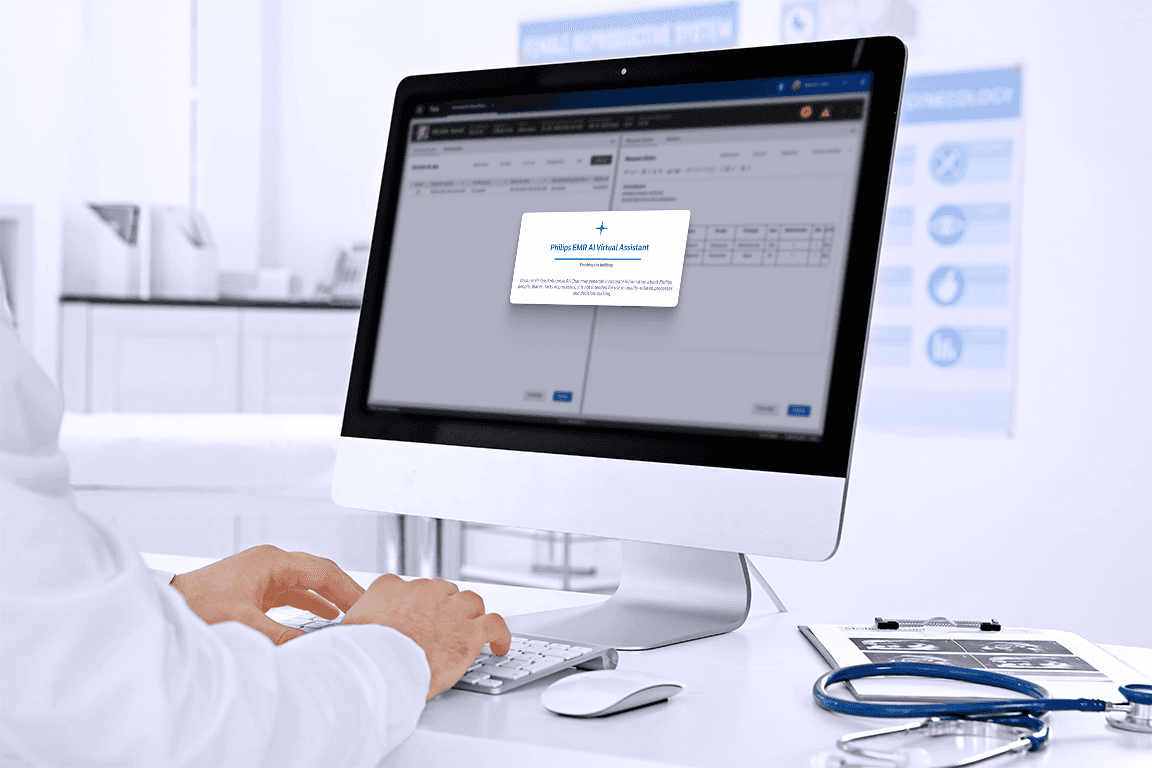
Designing the mobile flow for Ambient Documentation at Philips
00
problem
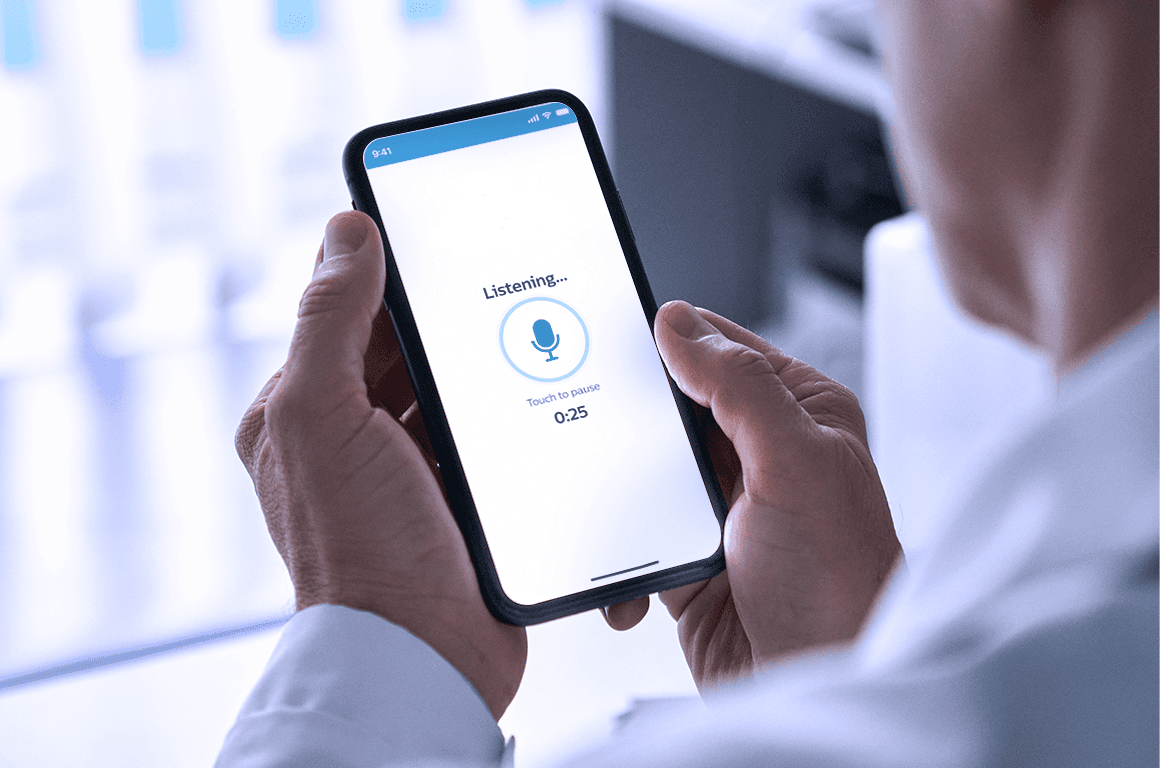
In the high-stakes world of healthcare, clinicians often find themselves "tethered" to their desks, struggling with software rather than focusing on their patients. Medical documentation is frequently a disjointed process—vital notes are scribbled on the move, but formal entry requires a desktop station, leading to significant friction in clinical workflows,
solution
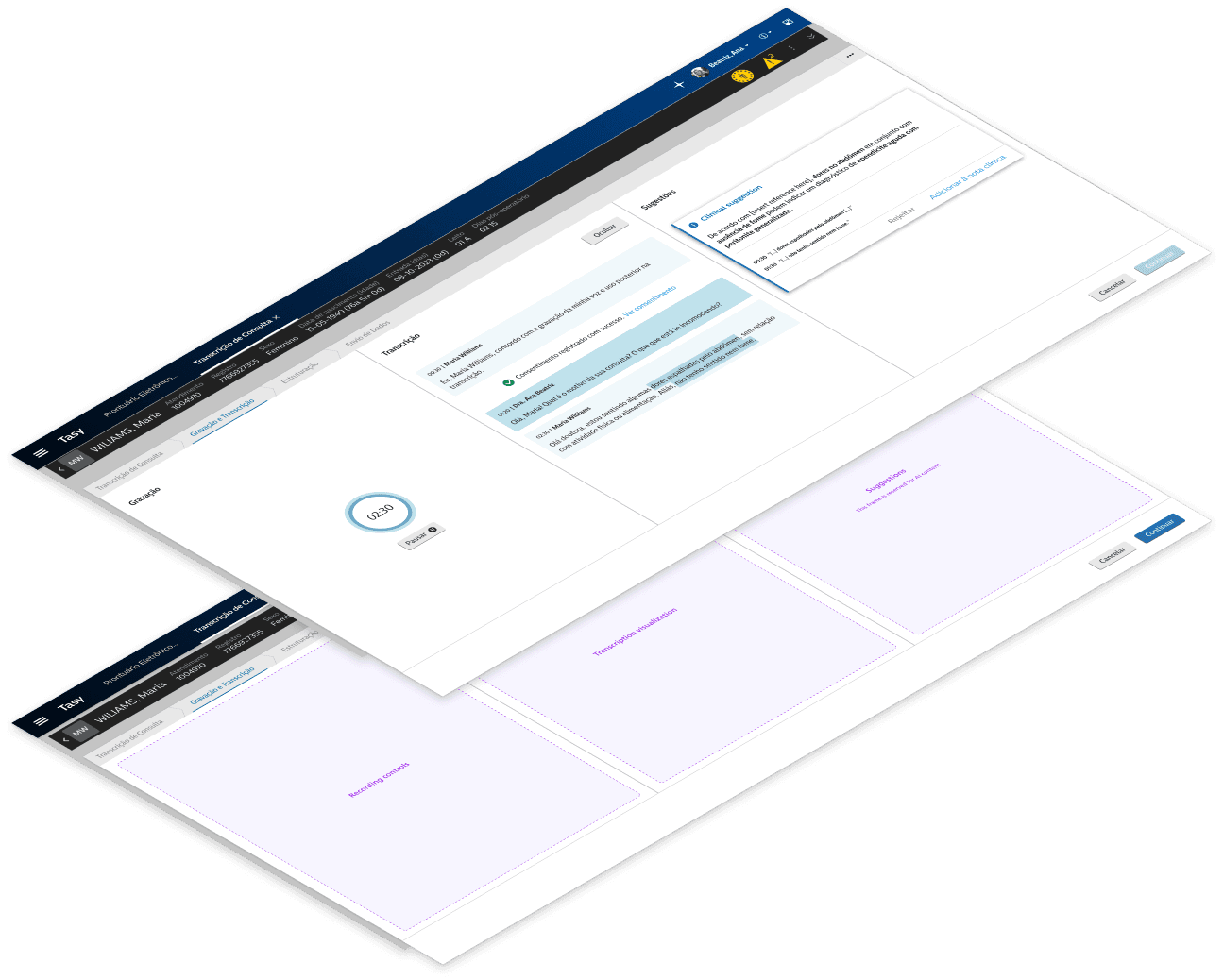
The goal of Ambient Documentation was to create a seamless flow between mobile and desktop environments specifically for medical devices. The project aimed to solve a critical user need: allowing clinicians to capture data naturally at the bedside via mobile and transition effortlessly to a desktop for deeper analysis and finalization. The focus was on optimizing "patient pathways" and reducing the cognitive load on healthcare providers.
Phase 1: Discovery — Understanding the Clinical Journey
We facilitated cross-functional workshops with stakeholders and representative clinical users. The objective was journey mapping: articulate the lived experience of a clinician from pre-consult preparation through post-consult documentation.
From this synthesis, key opportunity areas emerged:
Pre-filled contextual preparation: Automatically surfacing patient history before recording begins.
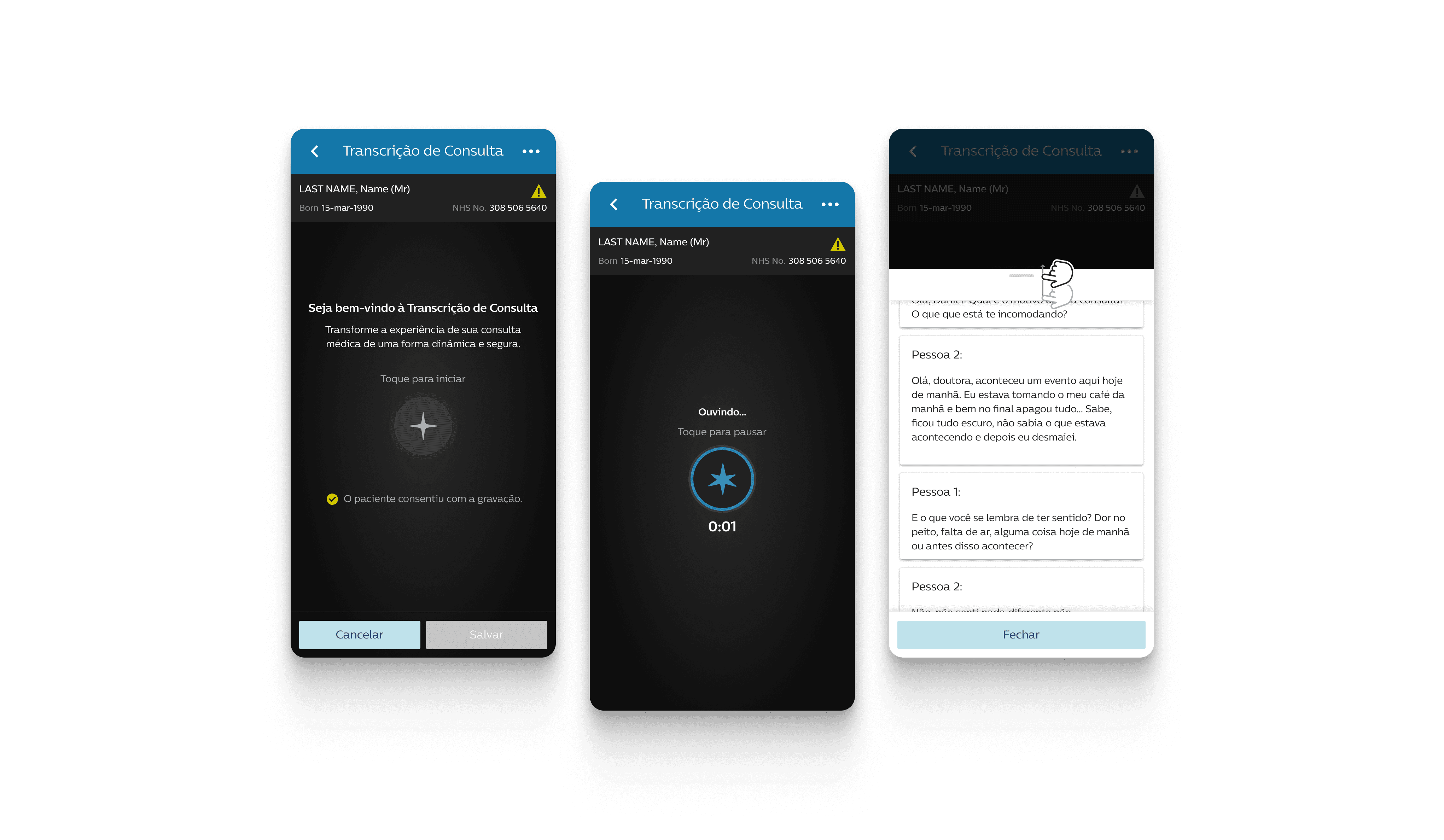
Low-friction recording initiation: One-tap recording with visible confirmation.
Structured post-consult summaries: AI-extracted data mapped to predefined documentation templates.
A critical insight: efficiency gains begin before the consultation starts. The mobile flow could not simply record—it had to prepare.

Phase 2: Framing — Prioritization with an Adapted RICE Model
Given parallel development tracks (mobile flow + next-gen platform), disciplined prioritization was essential.
We applied an adapted RICE framework:
Reach: How many clinician personas would benefit?
Impact: Reduction in documentation time and cognitive load.
Confidence: Technical feasibility within the evolving architecture.
Effort: Cross-platform implementation cost.
This structured evaluation allowed us to:
Prioritize:
Secure consultation recording
Real-time transcription sync
Pre-consult patient overview
Structured summary export
Defer:
Advanced editing tools
Custom template builders
Deep analytics dashboards
The result was a tightly scoped MVP aligned with both user value and engineering feasibility.

Phase 3: Ideation — Designing Within System Constraints
During ideation, we leveraged the established web suite grid system to maintain cross-platform consistency. Although the mobile context required adaptive behaviors, structural coherence with the web environment was non-negotiable.
Deliverables included:
Low-fidelity wireframes mapping the consultation lifecycle
Interaction states for recording, syncing, and error handling
Edge-case flows (interrupted recording, network instability)
We conducted usability validation sessions with internal stakeholders and clinician proxies. Observations centered around:
Visibility of recording status (trust signal)
Perceived security of patient data
Clarity of sync confirmation
Ease of navigating between consultation and history
Iterative refinements reduced unnecessary UI elements and emphasized temporal clarity: Before consult → During consult → After consult.
Phase 4: Build — Systematizing for Scale
After design validation, we transitioned to system-level implementation.
Component Strategy
New UI elements were:
Documented in a centralized Figma library
Annotated with accessibility rules (WCAG compliance considerations)
Mapped to business logic and data states
Prepared for developer handoff with interaction specifications
Tokenization & Cross-Framework Deployment
To ensure cross-platform consistency, components were tokenized and implemented across:
React-based environments
Angular-based environments
Each implementation underwent structured design QA to verify:
Visual consistency
Interaction fidelity
Accessibility adherence
Data-state handling integrity
This phase was less about interface aesthetics and more about design governance at scale.
Phase 5: Iterate — Connect Day 2024
The project was presented at Connect Day 2024, a pivotal internal event for showcasing innovation and gathering structured feedback from stakeholders and customers.
Key insights from the event:
Strong demand for deeper EHR integration
Requests for enhanced post-consult editing flexibility
Positive validation of reduced documentation burden
High perceived value of pre-consult contextual preparation
These learnings informed the next iteration roadmap, particularly around interoperability and structured data refinement.
Outcomes & Impact
While metrics remain confidential under NDA, qualitative impact included:
Reduced documentation duplication
Improved clinician preparedness
Increased trust in automated transcription workflows
Strong internal alignment across design and engineering
Most importantly, the mobile flow became not just a companion feature—but a strategic entry point into a broader Ambient Documentation ecosystem.
year
2024
tools
Figma, Miro
category
Product Design
01
02
03